Plan your visit at the 2019 Jerusalem Biennale
Tour Options
The 2019 Jerusalem Biennale, which showcases the work of 200 professional artists, both Israeli and international, in 30 exhibitions and projects, in over 14 venues around the city, will run from October 10th through November 28th, 2019.
Guided tours through the Jerusalem Biennale will be offered from October 15th to November 28th. Each tour includes a tailored visit to our unique venues and exhibitions and a meeting with one Jerusalem Biennale artist and/or curator.
Tours are led by our professional team of guides.
Tours are either single venue tours or a combination of venues.
Our tours coordinator will help you choose the venues that are most appropriate for your visit. Please see below for an overview of the venues and tour options.
*The Jerusalem Biennale will be happy to help with lunch/dinner arrangements upon request.
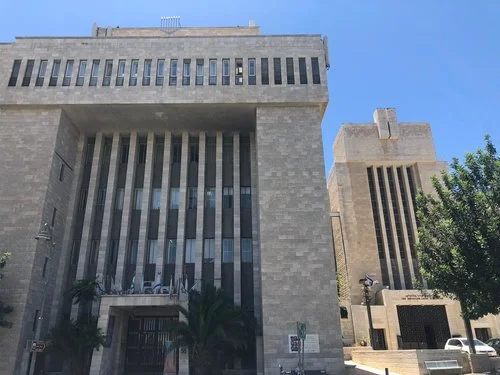
Hechal Shlomo is JB2019 largest and most varied venue with 8 different exhibitions.
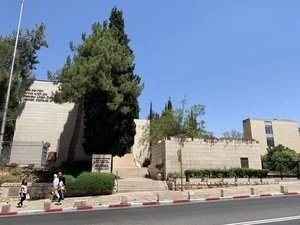
The Heichal Shlomo Jewish Heritage Center, situated in the heart of Jerusalem is the main venue for the Jerusalem Biennale 2019. This center deeply engages with the challenges of Jewish tradition as it is lived within the Modern contemporary
world. The talmudic tradition of dispute: dialog and confrontation, which is the central theme of this Biennale, is explored through the eyes of over 50 artists. The 8 exhibitions in this iconic venue engage both the universal and Jewish aspects of image making but emphasize the motivations behind such creative work as experienced through a uniquely Jewish lens. The varied exhibitions include Judaica, painting, mixed media, illustration, video installations and more.
The two main venues of The Jerusalem Biennale 2019 - For Heaven’s Sake! are completely opposite in nature. Come and explore the dispute between them and experience the best JB2019 can offer.
One of the main streets in Jerusalem started off as a dirt track to the city of Bethlehem. Over time it received many different names until the King David Hotel was built in the early 1930’s giving the street it’s official name. Today the street hosts many luxurious hotels, learning centers, museums and galleries.
The King David Street Tour will take place over 3 venues: The International YMCA, Hebrew Union College (HUC) and The North African Heritage Museum.
THE INTERNATIONAL YMCA JERUSALEM
See description above
THE HEBREW UNION COLLEGE (HUC)
The Hebrew Union College is a prestigious center for Jewish learning and cutting edge scholarship whose educational and cultural outreach programs touches peoples’ of all faiths and backgrounds. The 2 exhibitions showcased here, are as daring and innovative as their host. The first exhibition introduces graduates from the Pardes School of Art who explore the tradition of sacrifice and question its relevance to Jewish life today, whilst the second exhibition brings local and international artists together in search of traces of the Jewish heritage of Warsaw.
THE WORLD WIDE NORTH AFRICA JEWISH HERITAGE CENTER*
The North Africa Jewish Heritage center, housed in a magnificent building in the center of Jerusalem, preserves and exhibits the extraordinary history and heritage of North African Jewry. The exhibition showcased here is inspired by the words of the Rebbe of Kotzk, who encouraged his followers to look not only heavenward but also inward for inspiration and understanding. A group of 6 secular and religious Israeli artists come together to explore this idea.
*This venue is offered only as part of The King David Street Tour
This tour involves some walking and requires comfortable walking shoes,and water.
The valley between the Old City and the New is filled with fascinating history, rich culture and unmatched beauty. The Jerusalem Biennale has chosen three venues within this valley which echo it’s uniqueness, to host exhibitions dealing with the concepts of discourse, dialog and confrontation.The tour begins at The Begin Heritage Center, continues to the Mishkenot Cultural Center and concludes in the Artists Colony.
THE BEGIN HERITAGE CENTER
The Begin Heritage Center houses stories of heroism, political fortitude and bravery. As such it is a most fitting host for the Biennale’s exhibition of the Hebrew Woman’s suffrage movement. A fascinating story of the trials and tribulations of these brave Hebrew women and their continued effect and influence upon contemporary Israel.
MISHKENOT CULTURAL CENTER
The mishkenot cultural center, is a world-class center of cultural and artistic creativity and academic inquiry, and an incubator for multidisciplinary cultural content relating to global culture and art. The center is situated in a building constructed over 150 years ago as part of the first Jewish neighborhood to be built outside of the Old City’s walls.
Here, the Jerusalem Biennale showcases the exhibition: “In the East: Spain and Jerusalem.” Local and international artists, investigate their complex ties to both the Middle Eastern and local environment in which they live and work, and the Western culture and discourse to which they are exposed and influenced. This show raises the complexity of Israeli art and its place within the global sphere.
ARTISTS COLONY
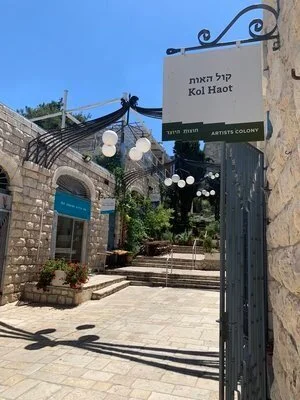
In the valley between the Old City of Jerusalem and the New, lies the quaint and picturesque “Artists’ Colony;” home to painters, weavers, silversmiths, and photographers. Here the Biennale invites local and international artists and designers to converse with the Talmudic idea that “the Torah does not exist in Heaven but rather within the distinctive jurisdiction of man”. This exhibition is a fascinating visual interface between halakhic literature and the language of contemporary visual and material culture.
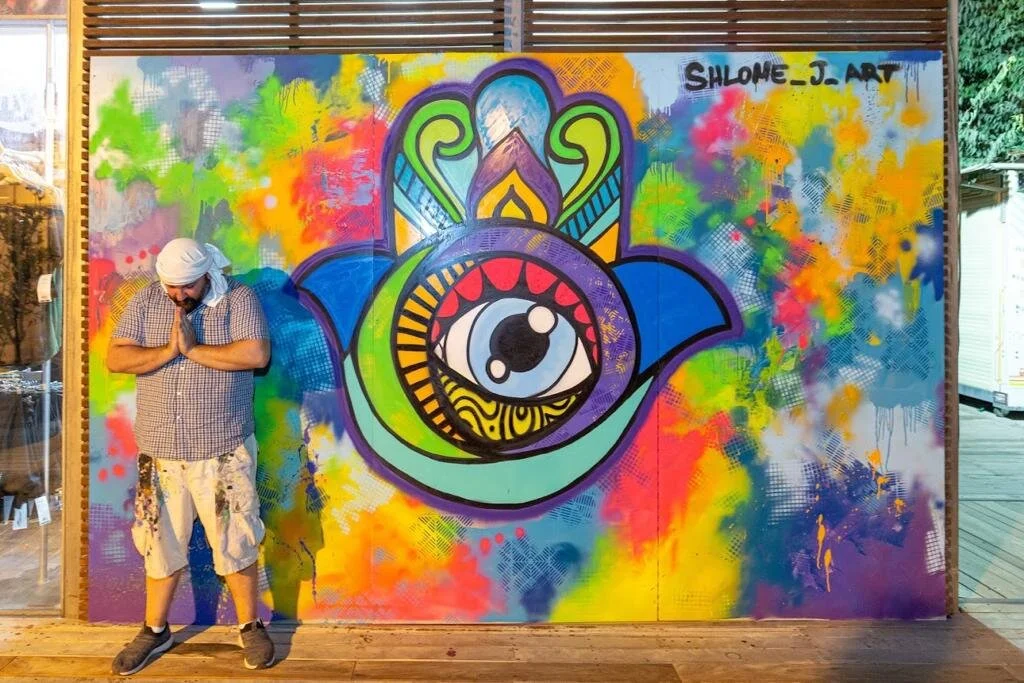
Urban Art Initiatives rely on mutual communication between artist and community to create work that is constantly relevant and engaging. This tour takes you through the streets of the heart of Jerusalem, to experience where and how art meets the public sphere. We conclude at the Machaneh Yehudah market; Jerusalem’s hub of creative, cultural and culinary expression.
Urban Art Initiatives are relatively new to the Jerusalem art scene. Over 12 years ago, a group of Bezalel Art School graduates felt unsatisfied in exhibiting their work in the “white cube” of a gallery space, and chose instead to include the route to the gallery as part of their shows. This slowly led them to taking their work outside of the gallery completely and integrating it with the streets and the community at large. MUSLALA, Jerualem’s leading Urban Art Initiative is extremely active in the public art sphere. They find their home in the Klal building, which now stands on the ruins of what once was the Alliance Art School, a vocational art school, built approximately 70 years before the establishment of the State of Israel. Their work in this specific building invites them to interface with what was, and to challenge and engage with contemporary Israeli ideas of arts, crafts, and creativity within the public sphere.
If you have only limited time in Jerusalem, or you are specifically interested in one of the venues of JB2019, join us to a guided tour in any of the smaller venues, such as the Van Leer Jerusalem Institute, The Akim House, The Studio of your own gallery or others.
AKIM HOUSE in BAKA’ The Rachel Straus Center for Art and Culture AKIM.
Founded in 1951, AKIM Jerusalem is devoted to providing education and rehabilitation services for mentally disabled children and adults, and the first of it’s kind to offer them independent and community-based living facilities. AKIM HOUSE is situated in the picturesque neighborhood of Baka in Southern Jerusalem.
The Biennale values the partnership with AKIM which began in 2017. This time round, residents have taken on the challenge of expressing their connection to the Biennale theme: ”For the Sake of Heaven” with the use of a variety of media, making this exhibition an exciting and vibrant addition to the Jerusalem Biennale.
THE VAN LEER INSTITUTE
The Van Leer Institute, situated on a magnificent campus in one of the most prestigious neighborhoods of Jerusalem, is a leading center for advanced studies and intellectual public discourse in areas touching on the main foci of tension in Israeli society. The exhibitions showcased here continue the theme of discourse. The first exhibition which includes 12 artists, explores the Biblical and Talmudic discussions about the connection between the artists raw idea and his/her motivation to manifest it. The second exhibition embraces the tensions between both content and form, and balance and imbalance as a road to transcendence.
STUDIO OF YOUR OWN (SOHO)
“Studio Of Her Own” is a platform for Jewish religious women artists at the outset of their careers, to develop and grow in an atmosphere of mutual support and understanding. Founded 6 years ago in Jerusalem, SOHO aims to empower the voice of the religious woman artist within the public sphere, whilst also serving as a bridge between Jerusalem's diverse populations. Artists come from the myriad of Jewish religious backgrounds in Israel, and are all graduates of leading Israeli art schools.
This group exhibition deals directly and unapologetically with the idea of “Peace in the Home”. In Hebrew this is translated as “Shalom Bayit” and is a Jewish religious concept of domestic harmony and good relations between husband and wife.
The Jerusalem Biennale is dedicated to exploring the places in which contemporary art and the Jewish world of content meet. Experience the art of over 200 local and international professional artists in 30 exhibitions in 14 venues throughout Jerusalem.
FRIDAY 25/10
Tour the two main venues of the Biennale: Heichal Shlomo, and the YMCA. Meet at the entrance to Heichal Shlomo, King George St. 58 at 10:30am.
The Heichal Shlomo Jewish Heritage Center, deeply engages with the challenges of Jewish tradition as it is lived within the Modern contemporary world. The talmudic tradition of dispute, which is the central theme of this Biennale, is explored through the eyes of over 50 artists. The 8 exhibitions in this iconic venue engage both the universal and Jewish aspects of image making but emphasize the motivations behind such creative work as experienced through a uniquely Jewish lens. The varied exhibitions include Judaica, painting, mixed media, illustration, video installations and more.
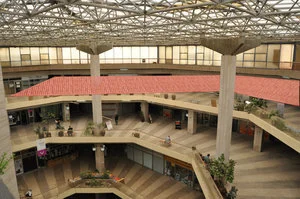
The YMCA, which embodies an atmosphere of peace & unity across all nations is host to 4 international exhibitions. Artists from Jerusalem, Morocco, India and Yugoslavia showcase their work side by side. They explore the issues of mutual longing, of the meanings behind ritual and ceremony, and of the central importance of oral traditions, among other ideas. The exhibitions include music, sound, video installations and more.
FRIDAY 1/11
Tour the two main venues of the Biennale: Heichal Shlomo, and the YMCA Meet at the entrance to Heichal Shlomo, King George St. 58 at 10:30am.
FRIDAY 8/11
The King David St. Tour. Visit the local and international exhibitions at YMCA, Hebrew Union College, and The North African Heritage Museum. Meet at the entrance to the YMCA (King David 26), at 10:00am.
One of the main streets in Jerusalem started off as a dirt track to the city of Bethlehem. Over time it received many different names until the King David Hotel was built giving the street it’s official name. Today the street boasts many learning centers, museums and galleries, which are currently host to more than 9 of the The Jerusalem Biennale’s exhibitions.
FRIDAY 15/11
The Urban Art Tour and Machaneh Yehuda market. Meet at Davidka Square, corner Jaffa St and Ha’neviim str at 10:00am. Urban Art Initiatives rely on mutual communication between artist and community to create work that is constantly relevant and engaging. This tour takes you through the streets of the heart of Jerusalem, to experience where and how art meets the public sphere. We begin at the Klal building, which stands on the ruins of the Alliance Art School and conclude at the
Machaneh Yehudah market; Jerusalem’s hub of creative, cultural and culinary expression.
FRIDAY 22/11
Along the Old City Walls Tour, Visit the exhibitions at The Begin Heritage Centre, Mishkenot She’ananim, and Kol Haot at The Artists path. Meet at the entrance to The Begin Heritage Centre at 10:00am.
The valley between the Old City and the New is filled with fascinating history, rich culture and unmatched beauty.
The Jerusalem Biennale has chosen three venues within this valley which echo its uniqueness, to host exhibitions dealing with the concepts of discourse, dialog and confrontation.
FRIDAY 29/11
Tour the two main venues of the Biennale: Heichal Shlomo, and the YMCA.
Meet at the entrance to Heichal Shlomo, King George St. 58 at 10:30am.
For more details about our tours, please write us to caron@jerusalembiennale.org
Plan your individual visit
We highly recommend to visit the 2019 Jerusalem Biennale as part of a guided tour. You can either organise a group (up to 25 participants per guide) our join one of our public tours that will be available on Chol Hamoed Succoth (October 15-18) and every Friday after that. For more information, please write to Caron at caron@jerusalembiennale.org
If you plan on visiting the Biennale on your own, you can purchase a ticket online or at the entrance to Hechal Shlomo and YMCA venues. Full details about opening hours and the exhibitions in every venue are available HERE.
Tickets:
Biennale 2019 takes place in 14 venues, four of them require a ticket: The Heichal Shlomo Musuem, the Jerusalem International YMCA, The North Center for North African Jews and the Skirball Museum at the Hebrew Union College. Ticket price is 45 NIS and it allows an entrance to all four (after Sukkoth the last two only as part of a guided tour). You can parchase your tickets at the entrance to The Heichal Shlomo Musuem or to the Jerusalem International YMCA.
How does the Jewish tradition of dispute express itself in both the Jewish and non-Jewish worlds?
The YMCA, which embodies an atmosphere of peace and unity across all nations is host to 3 international exhibitions. Artists from Jerusalem, Morocco, India and Yugoslavia showcase their work side by side. They explore the issues of mutual longing, of the meanings behind ritual and ceremony, and of the central importance of oral traditions, amongst other ideas. The visual expression of such investigations is surprising and profound. The exhibitions include music, sound, video installations and more.